
Some electrical jobs are fine to do yourself. Others are legally restricted to qualified electricians. Here is how to tell the difference before you start.
There is a common assumption that all electrical work in a home requires a qualified electrician. There is an equally common counter-assumption that you can do
whatever you like if you know what you are doing. Neither is accurate. The legal position in England and Wales is more nuanced than either, and understanding it
properly can save you both money and significant problems down the line.
What you can legally do yourself
Certain minor maintenance tasks are not covered by Part P of the Building Regulations and can be carried out by a competent homeowner without notification
or certification. These include:
- Replacing a like-for-like socket, switch, or ceiling rose
- Changing a fuse in a plug or at the consumer unit
- Fitting a new light fitting in place of an existing one
- Replacing the flex on a lamp or other portable appliance
- Installing battery-operated devices such as smoke alarms or doorbell systems
The key qualifier in all of these is 'like for like'. Replacing an existing single socket with a single socket of the same type is minor maintenance. Adding extra sockets to a circuit, or doing any work in a kitchen or bathroom, is a different matter entirely.
What must be done by a registered electrician
Part P of the Building Regulations governs most significant electrical work in domestic properties. Work in this category must either be carried out by an
electrician registered with a government-approved competent persons scheme — such as NICEIC, NAPIT, or ELECSA — who can self-certify the work, or be separately notified to your local authority building control department. Notifiable work includes:
- Adding any new circuit in the property
- Any electrical work in a kitchen, bathroom, or other special location
- Replacing or upgrading the consumer unit
- Installing outdoor sockets, garden lighting, or external circuits
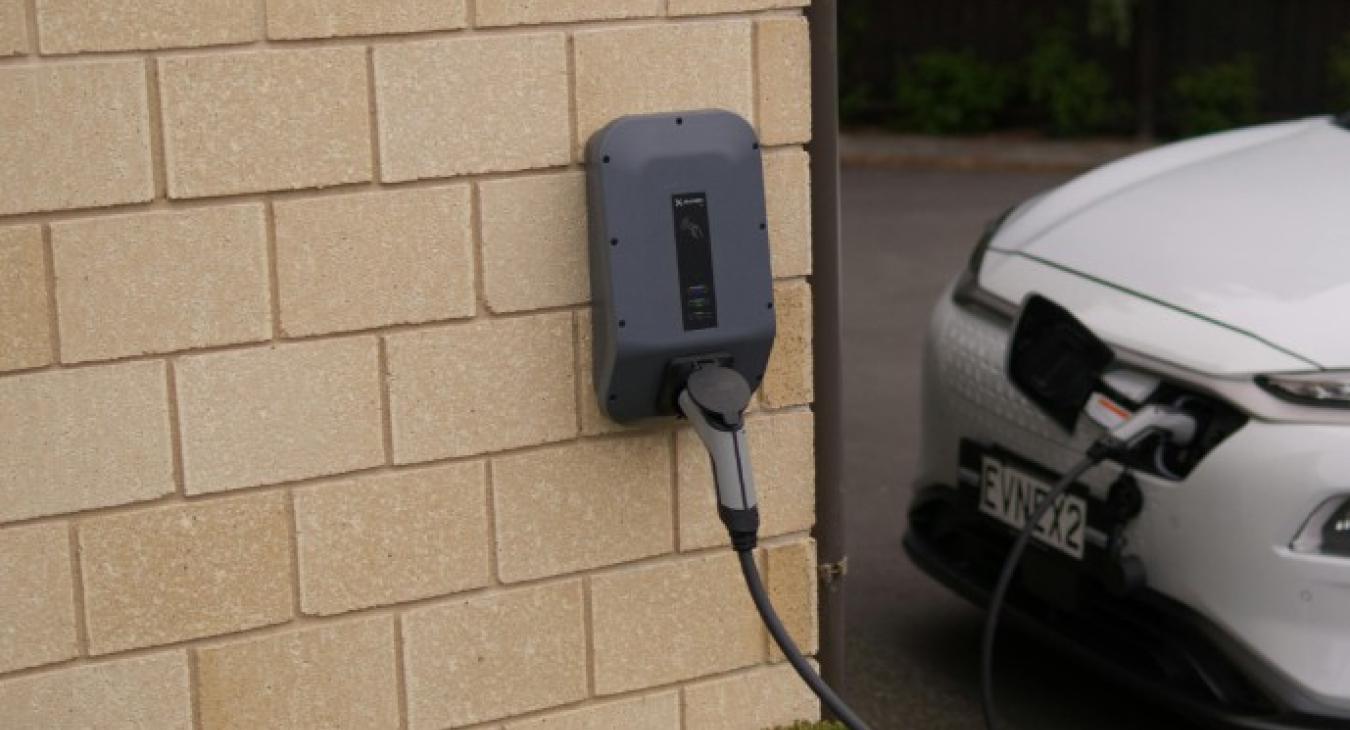
- Wiring for an EV charger, hot tub, pool, or outbuilding
The Building Regulations guidance on gov.uk covers Part P in detail if you want the authoritative version.
Why this matters when you come to sell
Electrical work that should have been notified and certified but was not becomes a legal problem at the point of sale. Solicitors routinely ask for Building Regulations completion certificates or Electrical Installation Certificates for any work carried out in the property. If you cannot produce one, you may need to commission an inspection to verify the work retrospectively, or in some cases, have the work redone entirely.
The cost of getting it right the first time is almost always less than dealing with it later.
A grey area: permitted development and minor alterations
Some jobs feel borderline, adding a socket to an existing ring circuit in a living room, for example, or extending a lighting circuit in a loft conversion. These are technically notifiable under Part P, but because they are being done by a registered electrician the self-certification process handles the compliance side without any further steps
from you. The key is using someone who is actually registered and will issue the correct documentation on completion.
If you are not sure, just ask
I am always happy to give a straight answer before any work starts. Drop me a message or call 07881 627 423 and I can tell you in plain English what the job
requires.